
Augustus & Agrippa | The Men Behind an Empire's Coinage
Edited By
Haruto Yamamoto
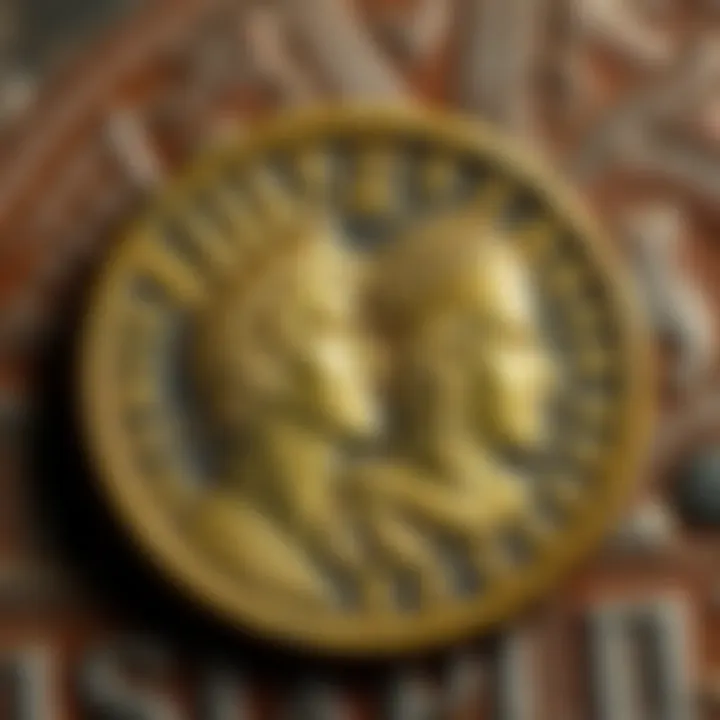
Augustus and Agrippa shaped a powerful empire during Rome's peak. A recent addition to a local collection—a Nemausus Dupondius coin—serves as a fascinating conversation starter among collectors and historians alike.
Significance of the Coin
This coin, minted between 10-14 AD, features Augustus and Agrippa on the obverse, flanked by palm leaves, symbolizing victory over Egypt. The reverse shows a crocodile chained to a palm, an emblem still associated with the city of Nimes, where the mint once thrived.
"A must-have coin for any Roman coin collector." – Commenter on the coin
While the portraits are well-executed, collectors express mixed feelings about the visibility of the chain on the crocodile. One user remarked, "Terrific obverse! The reverse is still better than most for this coin." Opinions differ about the coin’s overall aesthetic, reflecting a blend of appreciation and critique within the collector community.
Themes from Collector Comments
Quality of the Obverse: Many noted the appeal of the portraits, with one declaring it their favorite coin.
Condition Disparities: Commenters shared their personal examples, highlighting differences in quality.
Historical Importance: Several emphasized the historical significance of the coin, connecting it to major Roman events.
"One of my favorite coins—such a beautiful piece!"
"I've been hunting for one with portraits I love for ages."
Sentiment Analysis
The reactions mostly lean positive with a blend of constructive feedback. Users are enthusiastic about adding such a significant piece to their collections. The appreciation for the historical context only enriches their passion for numismatics.
Key Insights
✅ Nemausus Dupondius connects collectors to ancient Roman history.
🗣️ "A beautiful addition to any collection" reflects widespread excitement.
🔍 Ongoing discussions highlight the beauty of historical artifacts and their representations.
Future Coins: A Shift in Collecting Trends
As collectors continue to express enthusiasm for the Nemausus Dupondius coin, there’s a strong chance that interest in ancient coins will surge. Given the increase in historical awareness and preservation efforts, experts estimate that the market could see a 15 to 20 percent rise in similar acquisitions over the next year. This growth might be driven not only by seasoned collectors but also by younger people becoming more curious about the past. As they seek authentic connections to history, we could see a renewed appreciation for ancient artifacts that exemplify cultural significance, like this coin from Augustus and Agrippa's era.
A Slice of Roman Life: The Gladiatorial Games
An interesting parallel can be drawn between today’s coin collecting fervor and the excitement surrounding gladiatorial games in ancient Rome. Just as the Nemausus Dupondius fosters discussions among collectors—linking them to significant historical narratives—the games were a social glue that brought diverse crowds together, creating bonds based on admiration and rivalry. Much like a rare coin can symbolize victories and legacies, the thrill of the arena encapsulated the cultural zeitgeist of an empire. In both scenarios, artifacts and events serve as conduits to a richer understanding of our shared history.